Data Flow Architecture (Agentic Workflow)
The core difference between ad-hoc, piecemeal AI usage and building a synchronized automation infrastructure (Agentic Workflow) to help SMEs optimize operations.

TL;DR: The core difference between ad-hoc, piecemeal AI usage and building a synchronized automation infrastructure (Agentic Workflow) to help SMEs optimize operations.
Data Flow Architecture (Agentic Workflow): The Difference Between Ad-hoc AI and Synchronized Automation Infrastructure
Everyone talks about how AI impacts everything, from coding to content creation. But if you ask directly: "How exactly do you apply AI in practice?", most answers you get will involve isolated prompts or piecemeal tools.
For AI to deliver real business value, we must shift our mindset from using isolated tools to designing a synchronized, automated data flow architecture.
Quick Answer: Ad-hoc AI is when you open ChatGPT and type a prompt to solve an immediate task. It’s like calling a plumber to fix a single leaking pipe. In contrast, a synchronized automation infrastructure (Agentic Workflow) is when you build a complete, self-operating piping system that runs automatically without continuous manual intervention. The core difference lies in systemization and repeatability: one is a piecemeal solution dependent on individual moods and prompting skills; the other is a standardized process connecting data seamlessly from input to output via webhooks, databases, and human-in-the-loop approvals. For SMEs, designing a clear data flow architecture is the prerequisite for AI to act as a leverage that frees up resources, rather than creating high-speed chaos.
1. The Nightmare of Ad-hoc AI Usage
Many business owners, upon hearing about the power of AI, rush to buy accounts and hand them over to their employees. Employees then tinker with prompts on their own, manually copying and pasting data from Excel sheets into chatbot windows. The initial results might look fast, but after a few weeks, chaos ensues: content deviates from the Brand Voice, customer data leaks across fragmented tools, and no one can consistently replicate another person's results.
This is the trap of ad-hoc, piecemeal AI. You are putting a jet engine onto a wooden cart. The stronger the engine, the faster the cart breaks down.
2. Agentic Workflow: When AI Collaborates Automatically
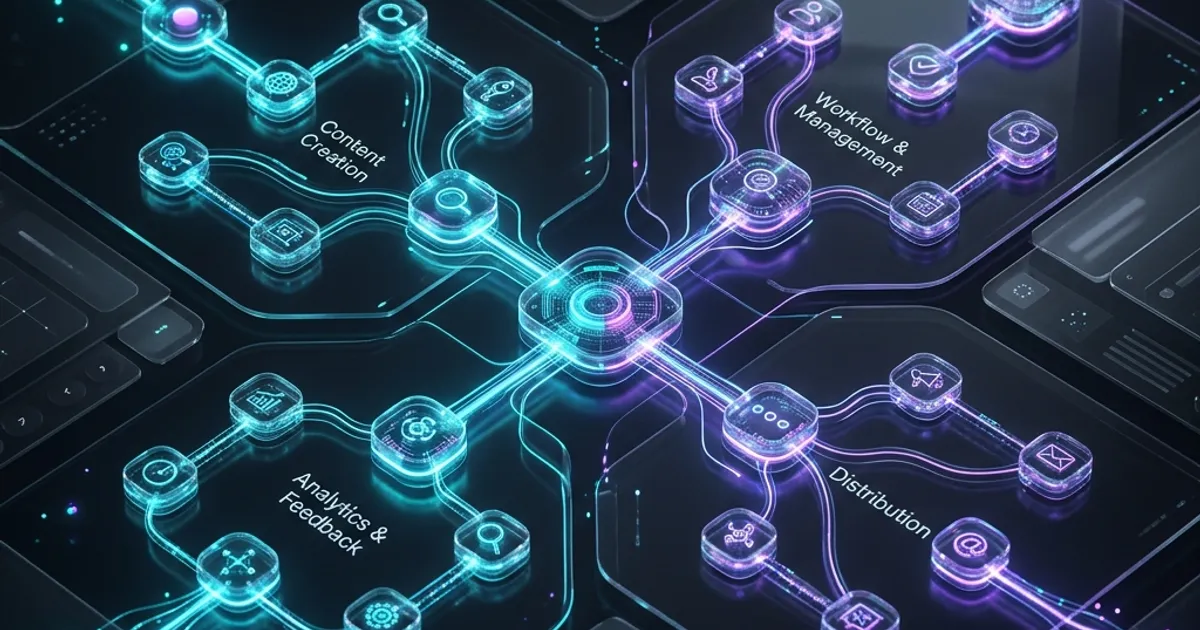
Unlike using isolated tools, an Agentic Workflow establishes a seamless automation system. Here, processes are broken down into specific tasks and assigned to specialized AI Agents, connected via webhooks:
- Agent 1 receives leads and analyzes needs.
- Agent 2 queries the knowledge SSOT (Single Source of Truth) and drafts proposals.
- Agent 3 (human-in-the-loop) sends a Telegram message for manager approval before dispatching.
This entire data flow operates automatically 24/7 under human supervision, ensuring absolute consistency in quality, security, and safety.
3. The Golden Rule: Process First, Tools Later
My sincere advice to founders: before opening your laptop or purchasing any AI subscription, pick up a marker and map out your raw workflow on a whiteboard. Clean up the process manually first. Only when you have a standardized, logically structured workflow should you inject AI as an amplifier. Never do it the other way around.
🚀 Want to Go Faster?
In my 1-1 AI Coaching program, I will audit your business goals and design a personalized workflow over 4 Zoom sessions.
What you get:
- ✅ A 30-day self-operating playbook
- ✅ Customized prompt templates tailored to your industry
- ✅ Individual pre-session audits—no generic advice
To elevate your operational efficiency and systems thinking, read: What is an AI Agent? The Easiest Explanation to apply it to your business today.
Tặng Mã Nguồn Lexi AI Content Agent & Quy Trình Tự Trị
Nhận miễn phí bộ mã nguồn Javascript tự đọc SSOT và tự động viết bài đăng Google Drive trị giá $199 kèm 3 bài học thử.

Bài Liên Quan
Agentic Workflow: Tự Động Hóa Content Marketing Bằng AI

Hướng Dẫn Chuyên Sâu Cấu Hình Claude Skills 2026 Tự Động Hóa